Dead Tree Removal in Allentown, PA
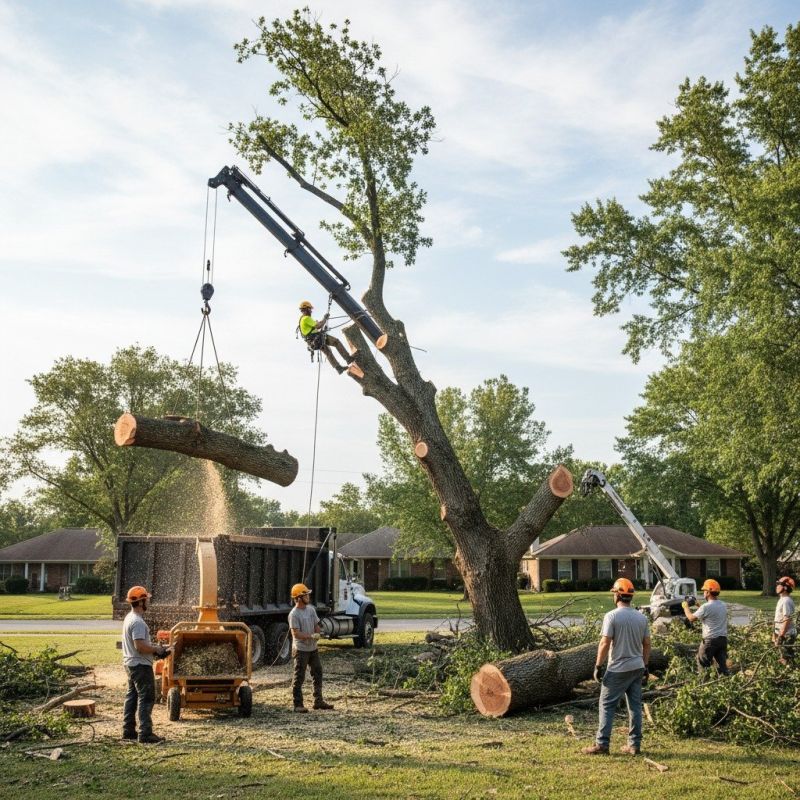
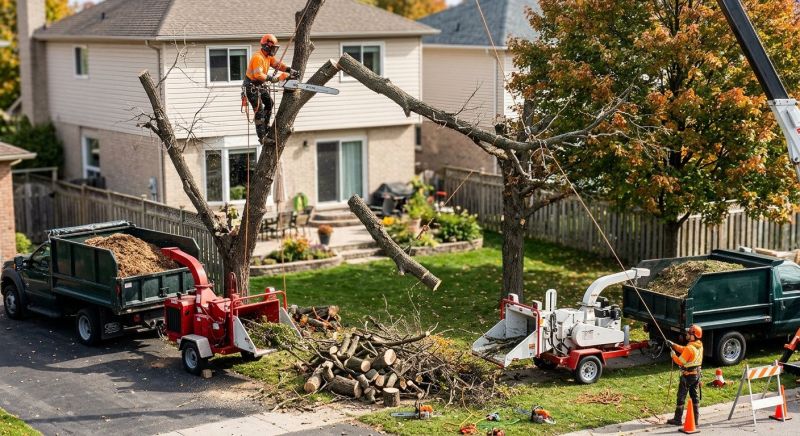
Dead tree removal services involve the safe and efficient elimination of trees that are dead, dying, or pose a risk to property and safety. These projects typically include assessing the tree’s condition, planning the removal process, and carefully taking down the tree to prevent damage to surrounding structures, landscaping, or utility lines. Homeowners often request this service when a tree shows signs of decay, disease, or instability, or if it has become an obstacle in the yard, such as obstructing views or interfering with power lines.
Property owners should consider factors like the size and location of the tree, potential hazards during removal, and the presence of any nearby structures or utilities before requesting dead tree removal. Understanding the scope of the project and any necessary permits or restrictions in the area can help ensure the process proceeds smoothly. Proper removal not only enhances safety but also contributes to maintaining a healthy and attractive landscape.
Many property owners in Allentown, PA look into Dead Tree Removal for repairs, replacements, upgrades, and appearance-related improvements.
Reasons For Dead Tree Removal
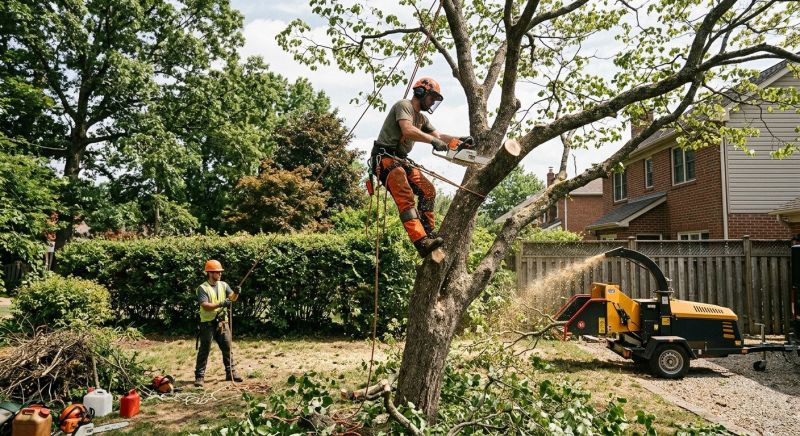
Removing dead trees helps prevent property damage and safety hazards around allentown homes.
Signs A Tree Needs Removal
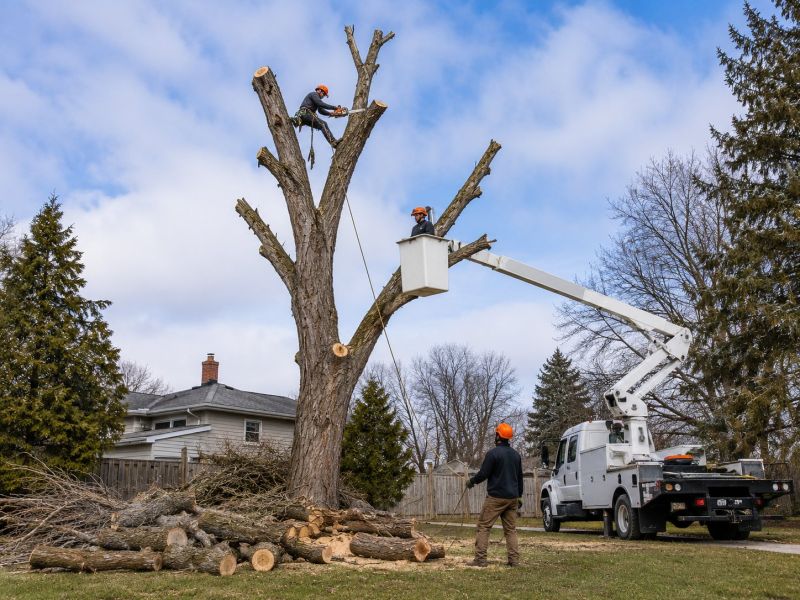
Indicators include dead branches, leaning trunks, and visible decay, which can threaten nearby structures.
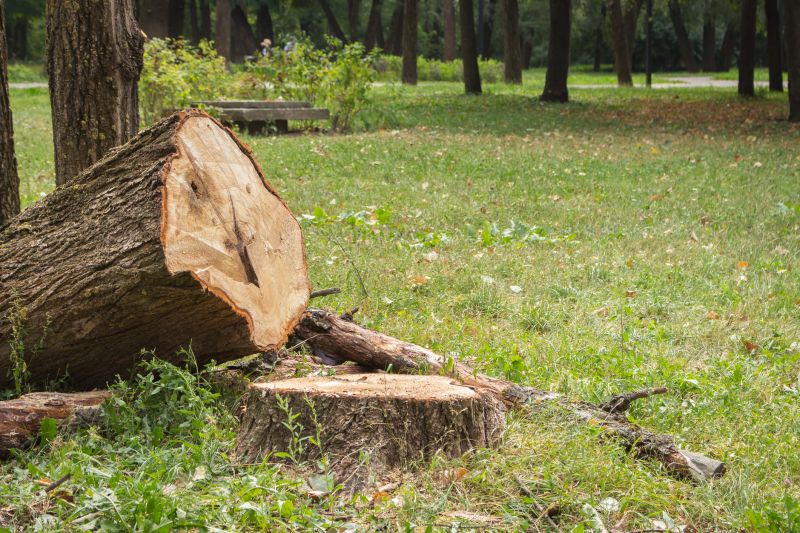
Safety And Cleanup
Proper dead tree removal ensures safety and leaves the area clear for landscaping or new plantings.
Dead Tree Removal in Allentown, PA
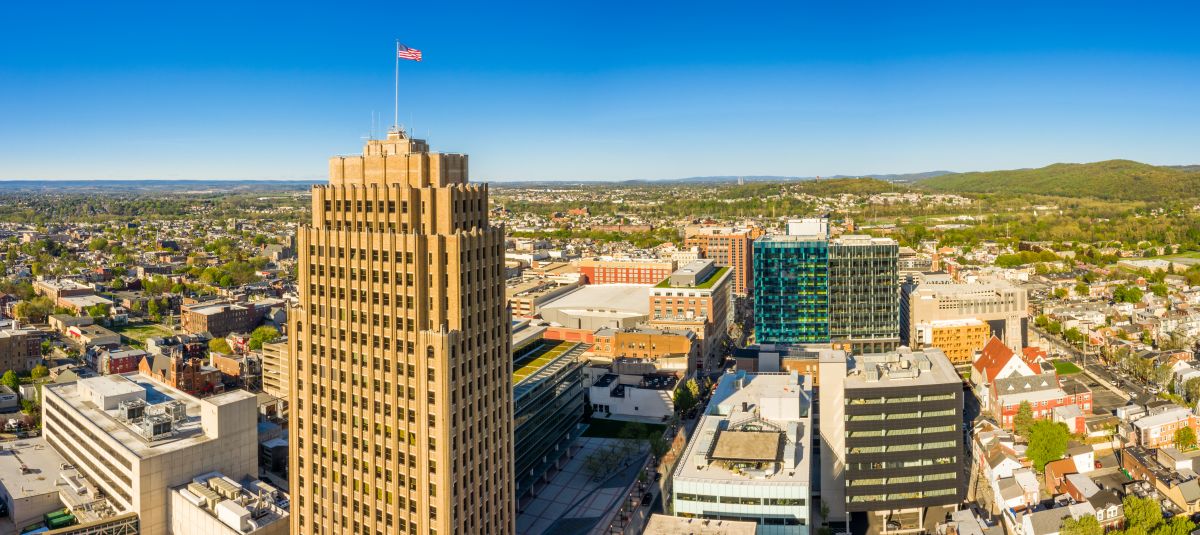
Dead tree removal services involve the safe and efficient elimination of trees that are dead, dying, or pose a risk to property and safety. These projects typically include assessing the tree’s condition, planning the removal process, and carefully taking down the tree to prevent damage to surrounding structures, landscaping, or utility lines. Homeowners often request this service when a tree shows signs of decay, disease, or instability, or if it has become an obstacle in the yard, such as obstructing views or interfering with power lines.
Property owners should consider factors like the size and location of the tree, potential hazards during removal, and the presence of any nearby structures or utilities before requesting dead tree removal. Understanding the scope of the project and any necessary permits or restrictions in the area can help ensure the process proceeds smoothly. Proper removal not only enhances safety but also contributes to maintaining a healthy and attractive landscape.
Many property owners in Allentown, PA look into Dead Tree Removal for repairs, replacements, upgrades, and appearance-related improvements.
Common Dead Tree Removal Jobs
Dead Tree Removal - safely eliminates hazardous or decayed trees from residential properties.
Storm Damage Cleanup - clears fallen or broken dead trees caused by severe weather events.
Property Maintenance - maintains landscape safety by removing dead or dying trees and branches.
Emergency Tree Removal - responds to urgent situations involving unstable or dangerous dead trees.
Tree Health Assessment - identifies dead or diseased trees that require removal to prevent property damage.
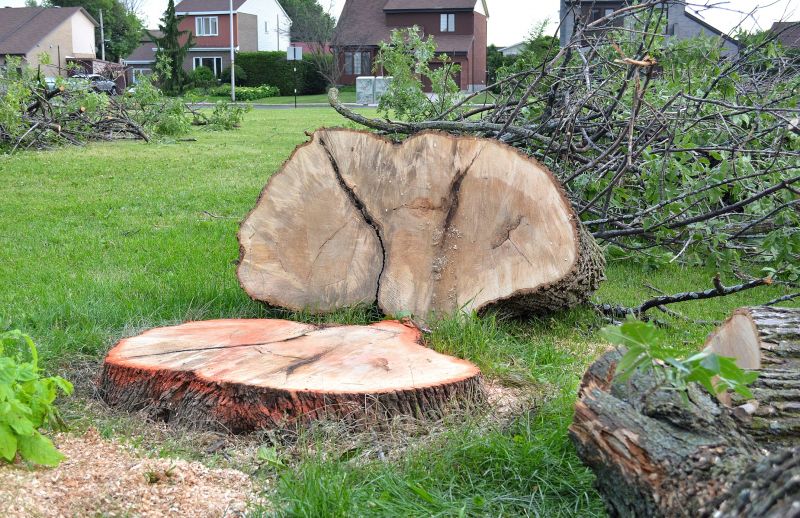
Stump Grinding - removes remaining tree stumps after dead tree removal for safety and aesthetics.
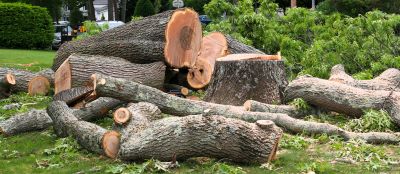
Dead Tree Removal Questions
What types of trees can be removed? Dead or damaged trees of any size and species can be safely removed to prevent hazards and maintain property appearance.
Why remove a dead tree? Removing dead trees reduces the risk of falling branches or complete toppling, which can cause property damage or injury.
Is stump grinding part of the removal process? Yes, stump grinding is often included to eliminate the remaining tree trunk and roots for a cleaner yard.
When is the best time for dead tree removal? Dead trees can be removed at any time of year, with some seasons offering easier access and less impact on surrounding landscaping.
Request Dead Tree Removal in Allentown, PA
Use the quote form on this page to share the basics of your project and request more information for the type of work you need.