Tree Canopy Thinning in Reno, NV
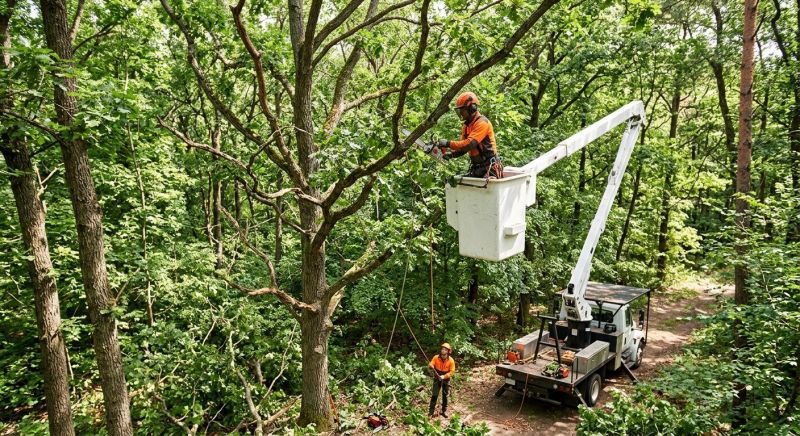
Tree canopy thinning services involve carefully reducing the density of branches and foliage in a tree's canopy to improve overall health, safety, and appearance. This process is often requested for projects such as managing overgrown trees, preventing branch interference with structures or power lines, enhancing sunlight penetration to lawns or gardens, and promoting better air circulation within the canopy. Property owners typically want to understand how thinning can help reduce the risk of falling branches, improve the tree’s vitality, and maintain a balanced, attractive landscape.
Before requesting canopy thinning, property owners should consider the size and species of the trees, the current condition of the branches, and any local regulations or guidelines regarding tree maintenance. It’s important to evaluate whether thinning is appropriate for the specific trees involved and to communicate any concerns about safety, aesthetics, or property access. Proper assessment ensures that thinning is performed effectively to support the health and safety of the trees and surrounding property.
Many property owners in Reno, NV look into Tree Canopy Thinning for repairs, replacements, upgrades, and appearance-related improvements.
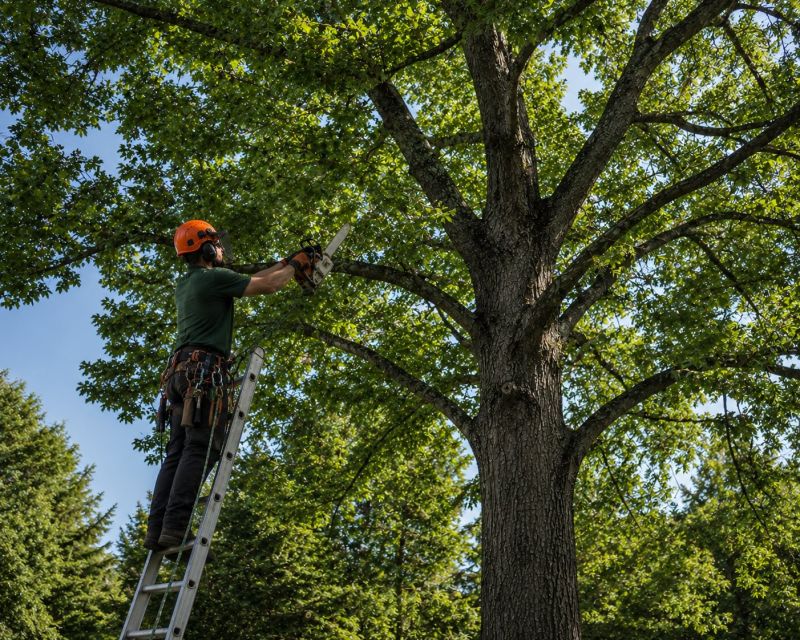
Benefits Of Tree Canopy Thinning
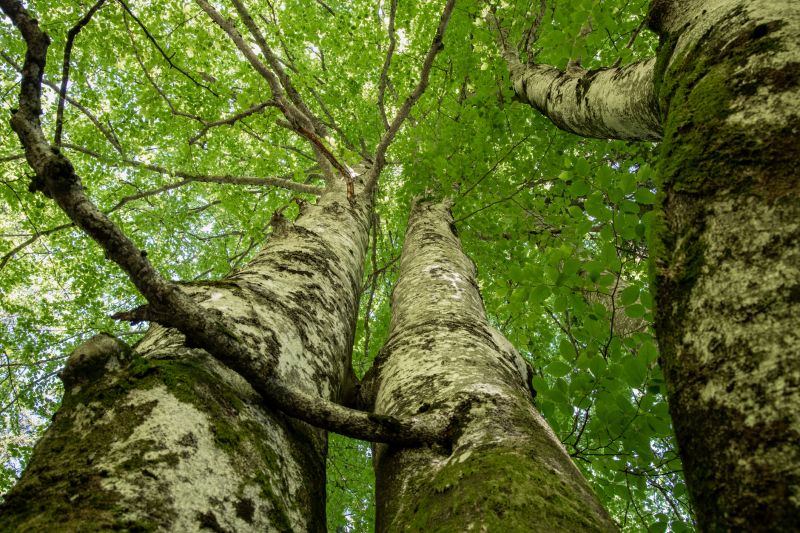
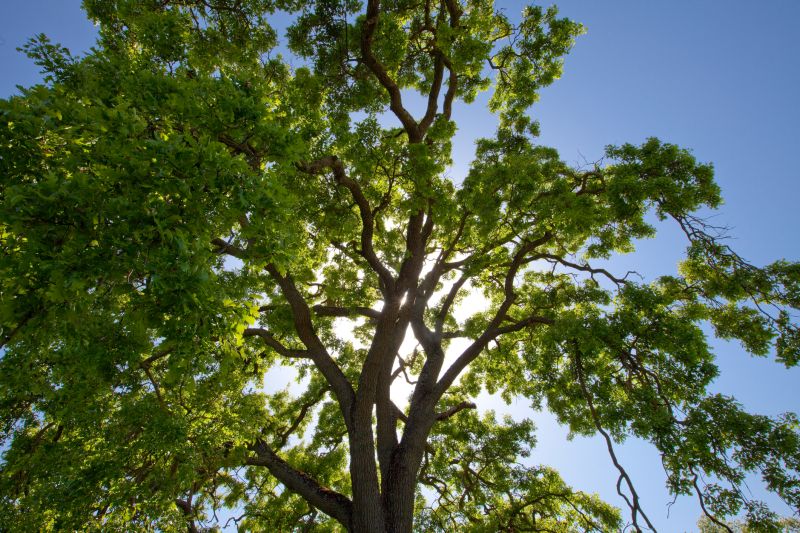
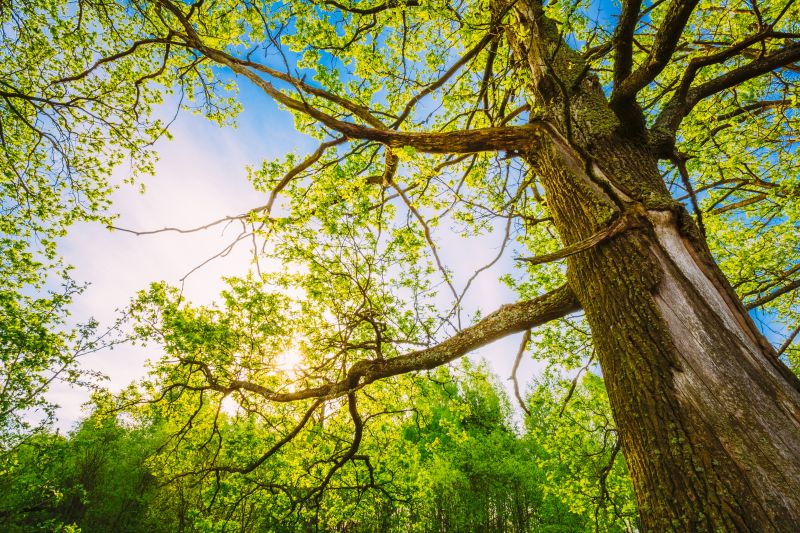
Thinning can improve sunlight penetration and reduce wind resistance for healthier trees.
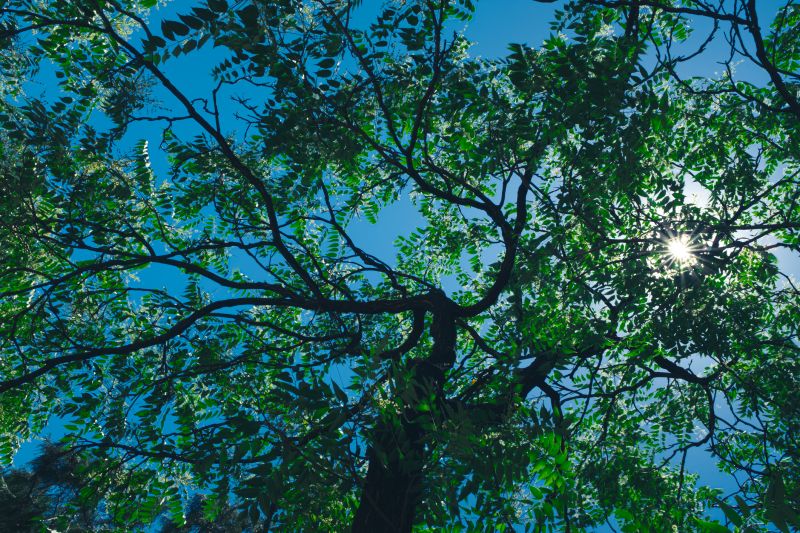
Common Reasons For Thinning
Property owners often request thinning to promote growth, remove hazards, or improve landscape aesthetics.
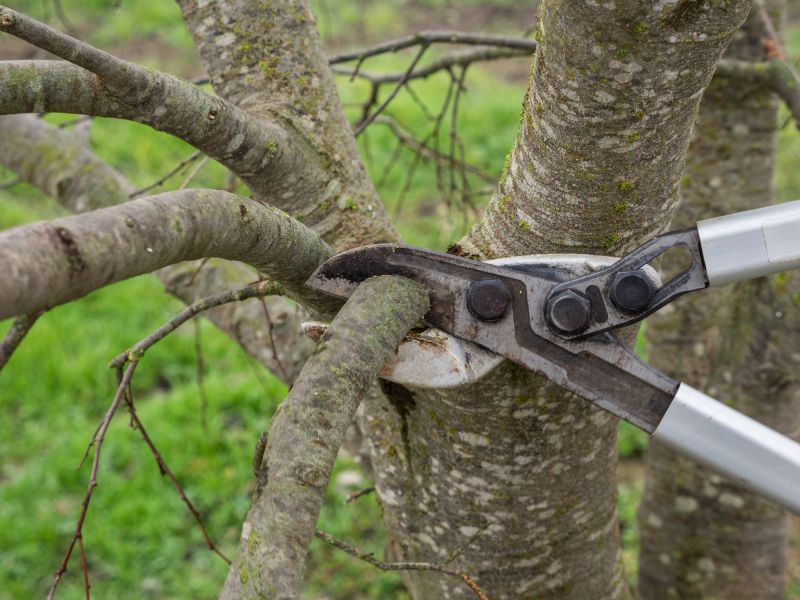
Considerations For Tree Thinning
Proper thinning requires understanding tree species, age, and overall landscape goals to ensure safety and health.
Tree Canopy Thinning in Reno, NV
Tree canopy thinning services involve carefully reducing the density of branches and foliage in a tree's canopy to improve overall health, safety, and appearance. This process is often requested for projects such as managing overgrown trees, preventing branch interference with structures or power lines, enhancing sunlight penetration to lawns or gardens, and promoting better air circulation within the canopy. Property owners typically want to understand how thinning can help reduce the risk of falling branches, improve the tree’s vitality, and maintain a balanced, attractive landscape.
Before requesting canopy thinning, property owners should consider the size and species of the trees, the current condition of the branches, and any local regulations or guidelines regarding tree maintenance. It’s important to evaluate whether thinning is appropriate for the specific trees involved and to communicate any concerns about safety, aesthetics, or property access. Proper assessment ensures that thinning is performed effectively to support the health and safety of the trees and surrounding property.
Many property owners in Reno, NV look into Tree Canopy Thinning for repairs, replacements, upgrades, and appearance-related improvements.
Common Tree Canopy Thinning Jobs
Tree Canopy Thinning - selective removal of branches to improve tree health and structure.
Tree Crown Reduction - reducing the height and spread of a tree to prevent interference with structures or power lines.
Selective Branch Removal - removing specific branches to enhance sunlight penetration and airflow.
Overgrown Canopy Management - thinning dense foliage to reduce weight and minimize risk of falling limbs.
Storm Damage Pruning - removing broken or damaged branches after storms to maintain safety.
Lightening Tree Thinning - decreasing canopy density to reduce wind resistance and potential storm damage.
Tree Canopy Thinning Questions
What is tree canopy thinning? Tree canopy thinning involves selectively removing branches to reduce the density of the upper parts of a tree, improving airflow and light penetration.
Why consider canopy thinning? Thinning can help prevent storm damage, improve tree health, and reduce the risk of falling branches on property or structures.
Which trees benefit from canopy thinning? Mature, overgrown, or crowded trees that show signs of stress or have branches near power lines or structures are good candidates.
Is canopy thinning suitable for all trees? Not all trees require thinning; consulting a professional can determine if thinning is appropriate based on the tree’s species and condition.
Request Tree Canopy Thinning in Reno, NV
Use the quote form on this page to share the basics of your project and request more information for the type of work you need.