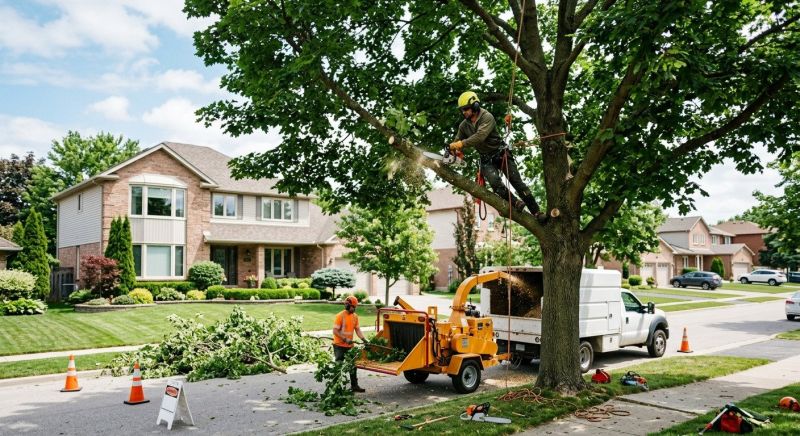
Limbs Trimming in San Jose, CA
Limbs trimming services involve the careful removal of overgrown or damaged branches from trees and shrubs to promote healthy growth and improve the appearance of a property. This process is commonly requested for trees that have become too dense, have dead or broken limbs, or pose a risk of falling. Property owners often seek limbs trimming to enhance safety, prevent potential property damage, and maintain a well-kept landscape. It’s important to understand the specific needs of different types of trees and shrubs, as well as any local regulations or guidelines that may influence trimming practices.
Before requesting limbs trimming, property owners should consider the overall health of their trees and the desired outcome for their landscape. Some projects may involve light pruning to shape the plant or remove deadwood, while others may require more extensive trimming to clear power lines or improve airflow. Knowing the extent of trimming needed and the condition of the trees can help ensure the service meets expectations and supports the long-term health of the plants. Proper trimming can also help prevent issues such as pest infestations or disease, contributing to a safer and more attractive outdoor space.
Many property owners in San Jose, CA look into Limbs Trimming for repairs, replacements, upgrades, and appearance-related improvements.
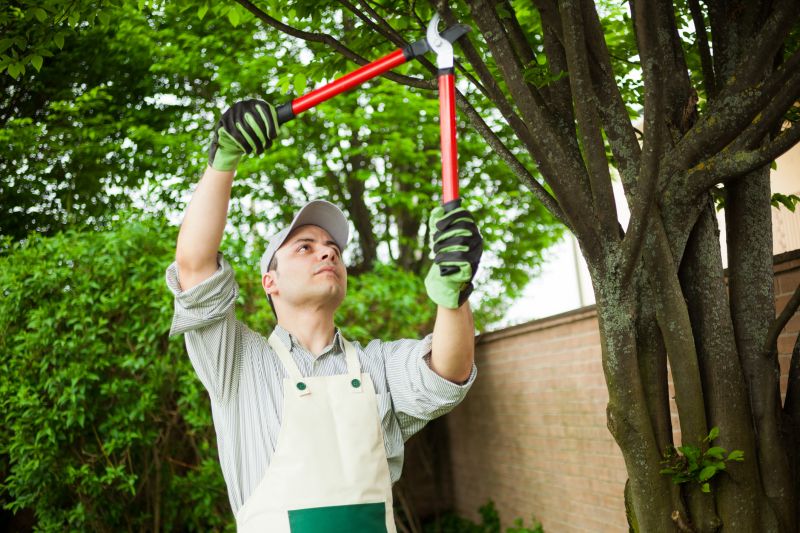
Tree Health And Safety
Proper limb trimming helps maintain tree stability and reduces the risk of storm damage in san jose neighborhoods.
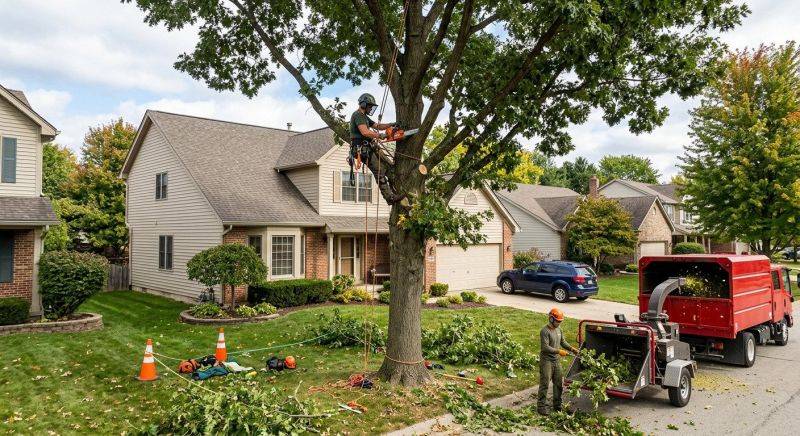
Property Aesthetics
Regular limb trimming enhances the appearance of trees and keeps landscapes looking neat and well-maintained.
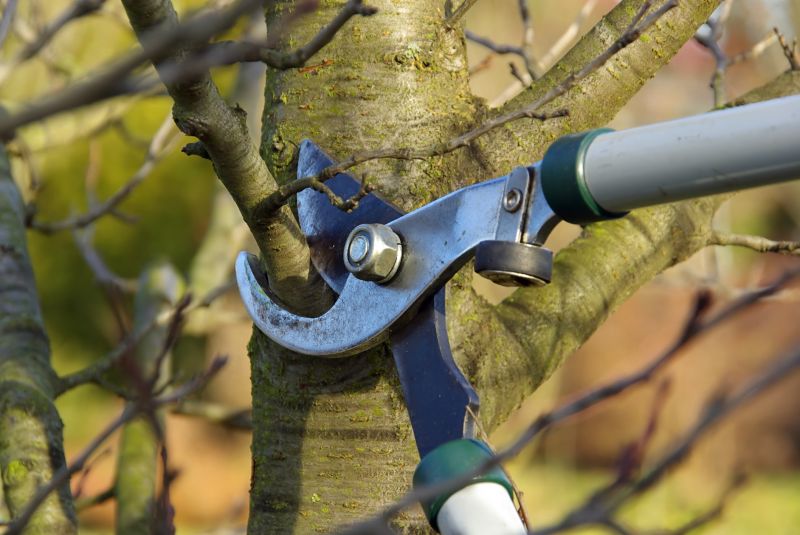
Preventing Property Damage
Trimming overgrown limbs can prevent potential damage to roofs, power lines, and fences around homes in san jose.
Limbs Trimming in San Jose, CA
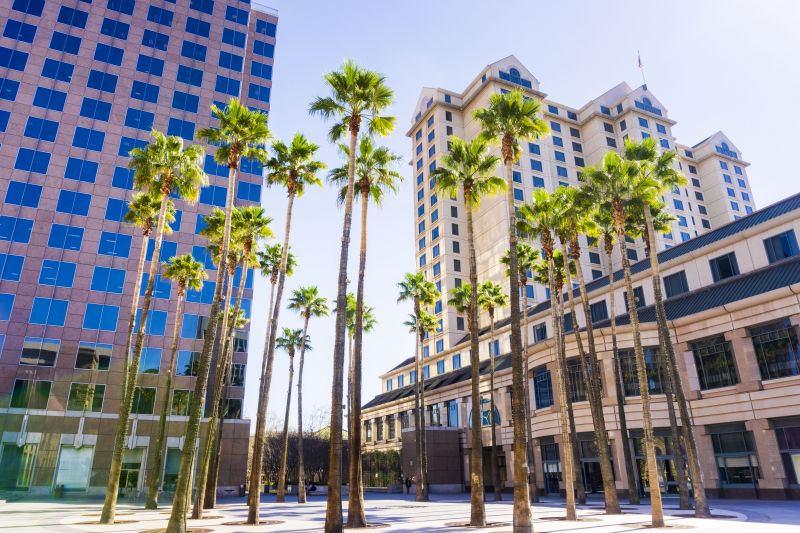
Limbs trimming services involve the careful removal of overgrown or damaged branches from trees and shrubs to promote healthy growth and improve the appearance of a property. This process is commonly requested for trees that have become too dense, have dead or broken limbs, or pose a risk of falling. Property owners often seek limbs trimming to enhance safety, prevent potential property damage, and maintain a well-kept landscape. It’s important to understand the specific needs of different types of trees and shrubs, as well as any local regulations or guidelines that may influence trimming practices.
Before requesting limbs trimming, property owners should consider the overall health of their trees and the desired outcome for their landscape. Some projects may involve light pruning to shape the plant or remove deadwood, while others may require more extensive trimming to clear power lines or improve airflow. Knowing the extent of trimming needed and the condition of the trees can help ensure the service meets expectations and supports the long-term health of the plants. Proper trimming can also help prevent issues such as pest infestations or disease, contributing to a safer and more attractive outdoor space.
Many property owners in San Jose, CA look into Limbs Trimming for repairs, replacements, upgrades, and appearance-related improvements.
Common Limbs Trimming Jobs
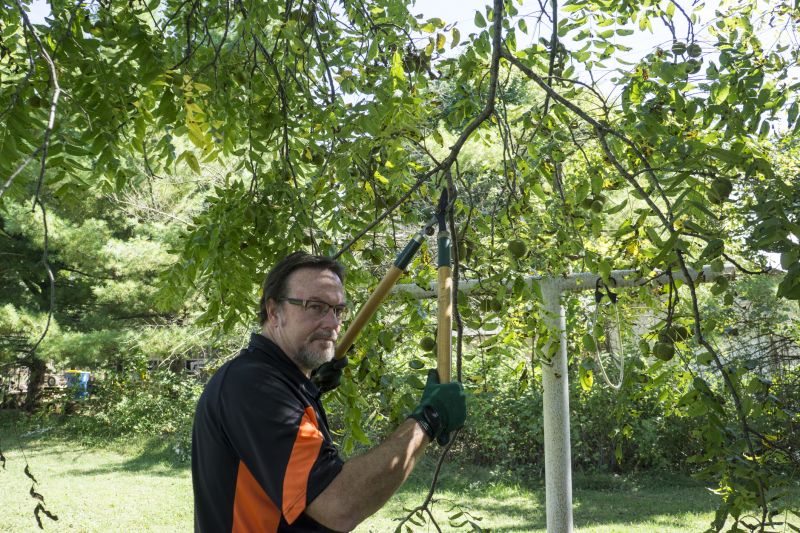
Tree and shrub trimming - shaping and reducing overgrown limbs for healthier growth.
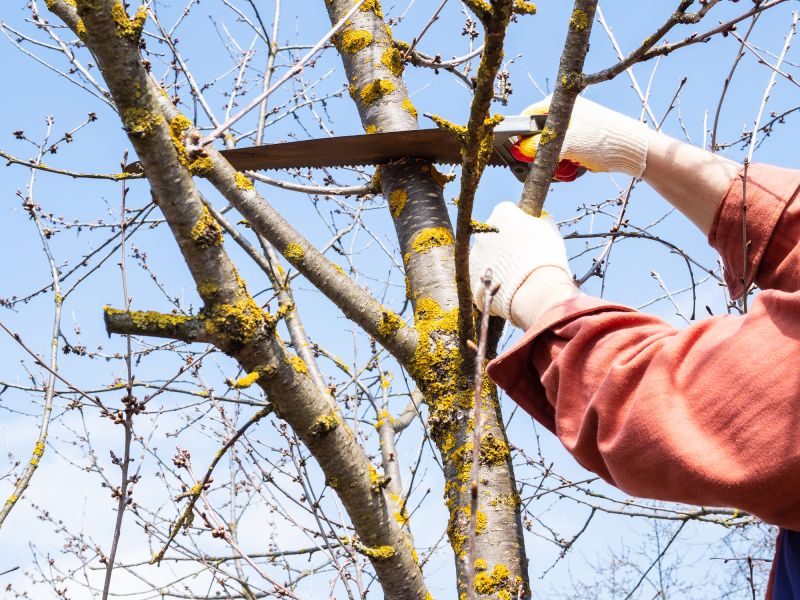
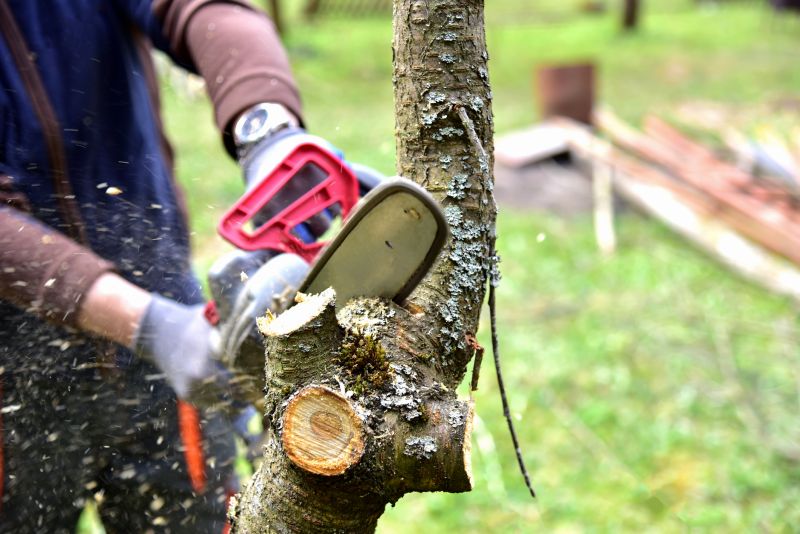
Dead limb removal - safely removing broken or diseased branches to prevent damage.
Crown thinning - selectively trimming branches to improve air circulation and light penetration.
Form pruning - shaping limbs to promote strong structure and aesthetic appeal.
Seasonal trimming - maintaining trees and shrubs throughout the year for optimal health.
Utility line clearance - trimming limbs near power lines to ensure safety and reliability.
Limbs Trimming Questions
What types of trees benefit from limbs trimming? Trees with overgrown or crossing branches, or those near structures, often need trimming to maintain health and safety.
Why is limbs trimming important for property safety? Removing dead or weak branches reduces the risk of falling limbs that could damage property or pose safety hazards.
How does trimming affect tree health? Proper trimming encourages healthy growth, improves airflow, and prevents disease by removing damaged or diseased branches.
When is the best time to trim tree limbs? The ideal time is during the dormant season, typically late winter or early spring, to minimize stress on the tree.
Request Limbs Trimming in San Jose, CA
Use the quote form on this page to share the basics of your project and request more information for the type of work you need.